
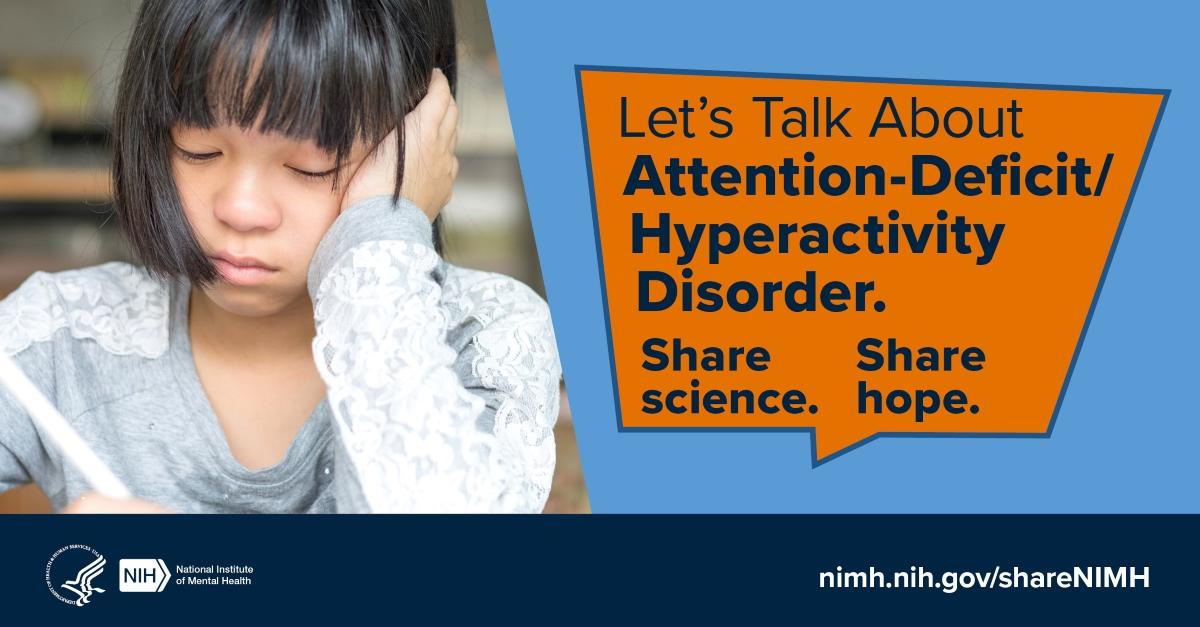
When people think about ADHD, they often picture a child who’s always moving, blurting out answers, or interrupting others. And yes, some kids with ADHD do act this way. But not all of them do.
In fact, many children with ADHD don’t show the “typical” signs. Some seem quiet, disorganized, emotional, or just spaced out. These kids can be easy to overlook or misunderstood as lazy or disrespectful — when really, they’re struggling with how their brain works.
Let’s look at the less obvious signs of ADHD in school — and how to help.
⸻
Common (But Often Missed) Signs of ADHD in the Classroom
1. Big Emotions and Meltdowns
Kids with ADHD often have trouble managing emotions. They might get angry or upset quickly, and small problems can lead to big outbursts. This isn’t bad behavior — it’s part of how their brain handles frustration.
👉 Tip: Stay calm. Help them name their feelings and guide them through what to do next.
⸻
2. Always Losing Things
These students may forget their homework, lose their pencils, or leave things at home often. They might do the work but forget to turn it in. It’s not on purpose — they’re usually trying hard but struggle with memory and organization.
👉 Tip: Use checklists, set routines, and offer gentle reminders to help them stay on track.
⸻
3. Trouble Following Directions
A child with ADHD might not follow directions because they didn’t hear all of them, forgot what to do, or got distracted partway through. This can lead to unfinished work or confusion.
👉 Tip: Give one step at a time and ask them to repeat it back. Write instructions down when possible.
⸻
4. Zoning Out or Daydreaming
Some kids with ADHD don’t move a lot — instead, they “tune out.” They may look like they’re daydreaming, not listening, or ignoring you. In reality, their brain is just having a hard time focusing.
👉 Tip: Gently call their name or give them a quiet nudge to help them refocus. Use visuals or movement to keep them engaged.
⸻
5. Talking Too Much or Being Disruptive
This often comes from poor impulse control. A child might interrupt, talk out of turn, or act silly at the wrong time. They usually do know the rules — they just have trouble stopping themselves in the moment.
👉 Tip: Use private signals (like eye contact or hand gestures) instead of calling them out. Give them short breaks when needed.
⸻
How to Support Students with ADHD
In Preschool
• Be patient. These kids are still learning how to handle big feelings.
• Give clear choices and praise good behavior.
• Stay calm during outbursts and help them problem-solve.
In Grade School
• Don’t embarrass them in front of others — use quiet signals.
• Let them move when needed (fidget tools or quick breaks).
• Give extra time or smaller assignments if they’re overwhelmed.
• Keep their desk area simple and distraction-free.
• Stay in touch with their parents about what works and what doesn’t.
At Any Age
• Ask parents about ADHD history or medications.
• Find out what helps the child at home.
• Understand they’re not being lazy or disrespectful — their brain just works differently.
⸻
Bottom Line
Kids with ADHD often try their best — even when it doesn’t look like it. They may need more support, structure, and patience to succeed in the classroom. By recognizing the signs and responding with understanding, you can make a big difference in their learning and confidence.
Would you like a printable version or handout of this for teachers or parents?
At PHC we take utmost care of our kids in caring an professional manner!